PERFECTNAILS.FR ≡ Microphone Urea Dosers Ecu Vibraphone
  • Silver

  • Greek, Classical – Pisidia, Selge (ca. 350-320 BC) Silver Obol – Gorgoneion (Medusa)/Athena

Greek, Classical – Pisidia, Selge (ca. 350-320 BC) Silver Obol – Gorgoneion (Medusa)/Athena

$67.98 $87.01
Description Greek. Asia Minor. Late Classical Period. Pisidia, Selge AR (Silver) obol. Struck ca. 350-320 BC. Choice Fine.   Design: Facing gorgoneion (head of Medusa) with tongue sticking out / Head of Athena right, wearing crested helmet Reference: SNG von Aulock 5266. Dimensions: 12 mm / 0.92 gm Condition: Choice Fine. There was an association between the gorgoneion (which simply means the head of a gorgon) and magic, even protection, which is why we see it often placed on shields. To backtrack, a gorgon is a hideous female figure with terrifying eyes and snakes for hair, that had the power to turn humans to stone. Sound familiar? Medusa is of course the most famous gorgon of mythology, but she was joined by her two sisters, Stheno and Euryale. The gorgoneion was a popular motif in art throughout the Archaic and early Classical periods, appearing on coins such as this one, but also pottery and sculpture, even military objects. She underwent an artistic shift around the time this coin was struck. Prior to ~480 BC, the gorgoneion was depicted as particularly gruesome, with her tongue out and sometimes even boar tusks, and her bewitched eyes piercingly staring forward. As with many other motifs in Greek art, the Classical Period (ca. 480-336 BC) brought about a more graceful and beautiful rendering. The gorgoneion grew stylized, with the head of Medusa becoming almost alluringly beautiful, the snakes delicately wisping around her. The image continued to appear on coins through the 1st century BC, with Mithradates of Pontus striking large quantities of bronze coins at Amisus with the head of a gorgon. The design faded with the demise of the Classical world and the rise of Christianity, but was interestingly revived by none other than Giovanni Versace as the logo for his fashion house. Versace’s gorgoneion remains the symbol of the brand today and can be observed to align more with the Classical, entrancing type of gorgoneion than the strikingly grotesque Archaic version.
Silver

Silver

  • Macedon – Alexander the Great (r. 336-323 BC) Silver Drachm, Lampsacus – Heracles/Zeus
    $59.38 $82.54
  • Roman Empire – Vespasian (r. 69-79 AD) Silver Tetradrachm, Antioch – dated 69/70 AD
    $67.61 $108.85
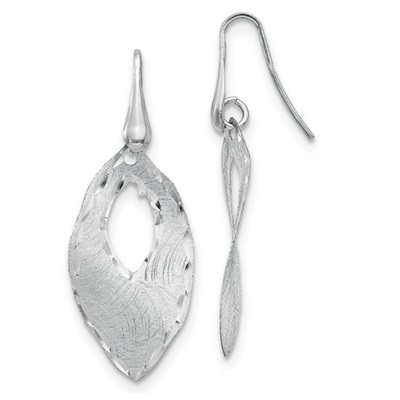
  • Leslie’s Sterling Silver Textured and D/C Dangle Shepherd Hook Earrings
    $62.37 $84.2
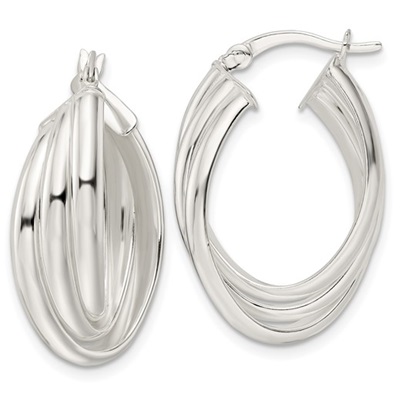
  • Sterling Silver Polished Triple Twisted Oval Hoop Earrings
    $95.76 $167.58
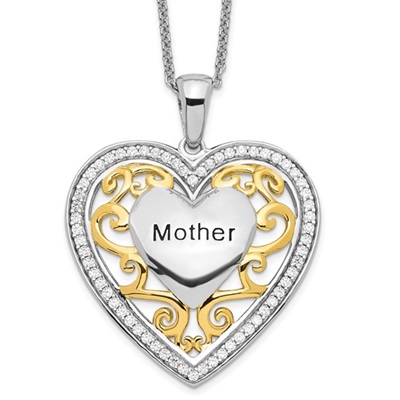
  • Sentimental Expressions Sterling Silver Gold-plated Mother 18 Inch Heart Necklace
    $64.84 $106.34
  • *Final King of Macedon* Perseus (r. 179-168 BC) Silver Tetradrachm – Eagle Reverse
    $65.98 $106.89
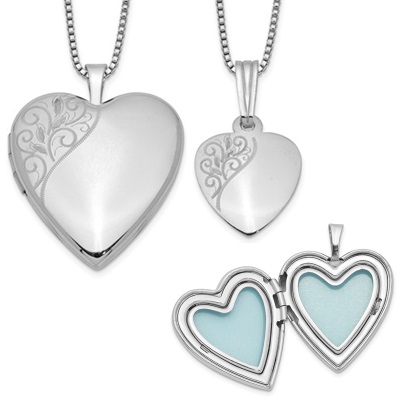
  • Sterling Silver Rhodium-plated Polished Swirl Design Mother/Daughter Locket/Pendant Necklace Set
    $38.47 $74.25
  • Roman Empire – Nero (r. 54-68 AD) Silver Hemidrachm – Caesarea, Cappadocia
    $52.99 $102.27
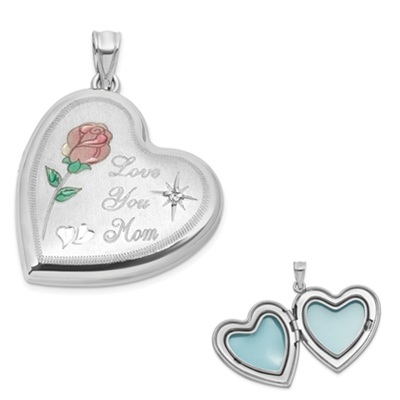
  • Sterling Silver Rhod-pl Brushed 1/20 carat Diamond Pink and Green Enameled Rose LOVE YOU MOM 24mm Heart Locket
    $48.28 $91.73
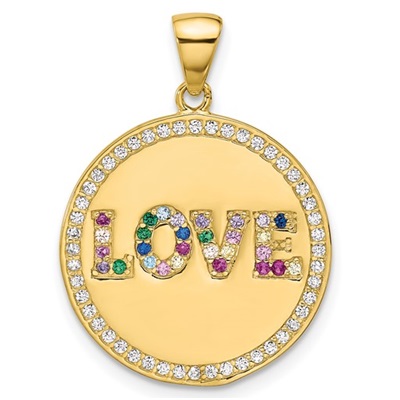
  • Sterling Silver Gold-tone Rainbow CZ Love Disc Pendant
    $96.39 $137.84
  • Roman Empire – Elagabalus (r. 218-222 AD) Silvered BI Tetradrachm, Antioch – Eagle Reverse
    $39.99 $63.18
  • Macedon – Alexander the Great (r. 336-323 BC) Silver Drachm, Lifetime Issue of Miletus struck under Philoxenus
    $61.58 $80.05
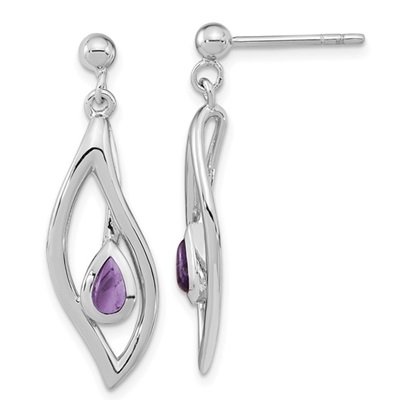
  • Sterling Silver Rh-plated Amethyst Dangle Post Earrings
    $53.38 $65.66
  • Roman Twelve Caesars – Vespasian & Titus (69-79 AD) Silver Double-Portrait Didrachm – Caesarea, Cappadocia
    $46.42 $81.7
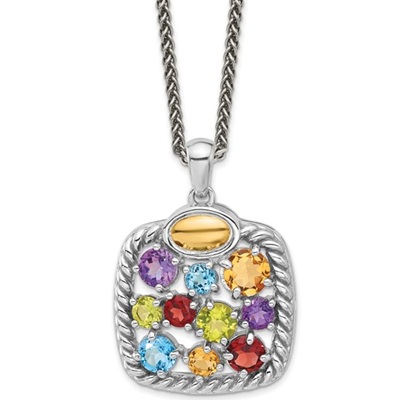
  • Shey Couture Sterling Silver Rhodium-plated with 14k Accent .9 Citrine/.77 Amethyst/.84 Swiss Blue Topaz/.83 Peridot 18 inch Necklace
    $65.36 $90.2
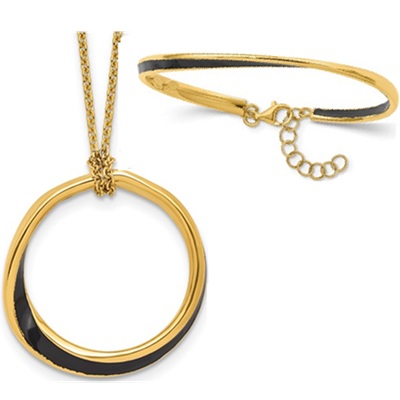
  • Leslie’s Sterling Silver Gold-tone and Black Enamel Necklace and Bracelet Set
    $44.14 $68.86

© 2026 - PERFECTNAILS.FR